

For many South African households, medical aid is becoming an increasingly difficult expense to manage. With the cost of living continuing to put pressure on household budgets, annual medical aid increases are another financial burden for families already trying to make their money go further.
As we look ahead to 2027, medical schemes face a similar challenge: how to keep healthcare affordable for their members while managing the rising cost of providing quality care.
Behind the annual contribution increases is a growing concern about the long-term sustainability of medical aid in South Africa. Rising claims, an ageing membership and slower membership growth are all contributing to the pressure on the industry.
Why are medical schemes under pressure?
Medical schemes work by pooling members’ contributions to pay for healthcare costs across the membership. This shared approach helps ensure that funds are available when members need medical treatment.
For this model to remain sustainable, schemes need a balanced membership base, including younger, generally healthier members alongside older members who may require more frequent or costly medical care.
 However, attracting younger members has become increasingly challenging. With household budgets stretched, many young South Africans are delaying joining a medical scheme or opting for more affordable cover.
Several medical schemes are introducing new, more affordable plans for young parents and families and early career, lower income families, providing benefits which are more aligned to PMB’s,
At the same time, members are getting older, medical treatments are becoming more advanced, and the costs of hospital stays, specialist consultations and chronic medication continue to increase.
The result is growing pressure on medical schemes to collect enough in contributions to meet their members’ healthcare needs without making cover unaffordable.
The figures behind the pressure:
Recent industry figures help put these challenges into perspective.
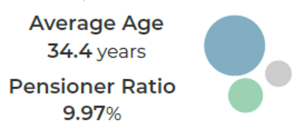
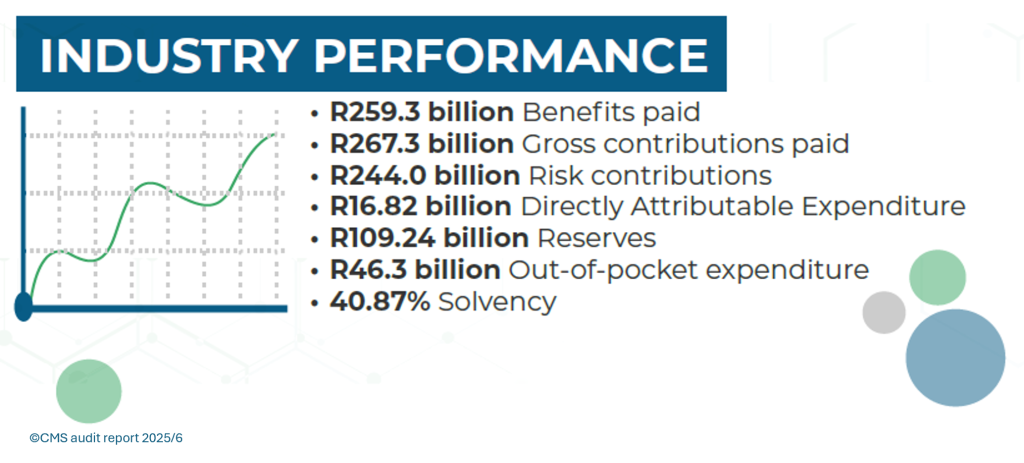
According to the Council for Medical Schemes’ 2025/6 Audit Report, with 9.17 million beneficiaries, 57% Female, 43% Male, medical schemes received approximately R 267.3 billion in contributions and paid R259.3 billion in benefits, with membership growing by just 0.45% during the year, showing the growing cost of funding healthcare benefits in an industry where membership growth remains relatively slow.
These figures can help explain why medical schemes are under pressure to review contributions and manage the cost of benefits carefully.
However, it is important to distinguish between financial pressure and financial instability. The industry was still holding reserves above the regulatory minimum in 2024, according to the Council for Medical Schemes.
The concern is therefore not that the entire industry is in financial difficulty, but that the gap between rising healthcare expenditure and slow membership growth presents an ongoing challenge for long-term sustainability.
What can you expect in 2027?
As medical schemes introduce their 2027 contribution increases and benefit changes, you may notice adjustments to both what they pay each month and the cover available to you.
Depending on the scheme and benefit option, these changes may include revised annual limits, co-payments, hospital network arrangements, day-to-day benefits and treatment authorisation requirements.
While these adjustments are intended to help manage rising healthcare costs and support the long-term sustainability of medical schemes, they can also affect how much you pay from your own pockets when accessing care.
The main medical schemes average contribution increases for 2027:
- Discovery Health: ~ 8.2% (7.4% -8.9%)
- Momentum Health: ~ 7.9% (7.24% – 8.51%)
- Medihelp: ~ 7.5% (6.5% – 7.9%)
- Bestmed: ~ 7.35% (6.5% – 8.5%)
- Bonitas: ~ 8.7%
Why reviewing your medical aid matters:
Your healthcare needs, financial circumstances and family responsibilities can change over time, so the medical aid option that suited you a few years ago may no longer offer the right balance between cost and cover.
Before making a decision, take the time to understand what your options include, what it excludes, and where additional costs may arise. Pay particular attention to co-payments, hospital network conditions, day-to-day benefits, chronic medication cover, and any limits that may affect the treatment you need. Always keep in mind, generally, the lower the contribution, the lower the benefits and the higher the restrictions are.
Ultimately, the goal is not simply to pay less each month, it is to find cover that offers the right balance between affordability, access to healthcare and peace of mind when you and your family need medical care.